Continuing the discussion from Vikunja as a business:
Hi everyone,
I’m posting this as a standalone thought following up on the founder’s 2024 discussion regarding the future monetization and long-term sustainability of Vikunja. I’ve been thinking a lot about the core philosophy of self-hosting, and the persistent, quiet tension that exists between a project’s visual identity and the administrator’s sense of ownership.
A white-label product is a product or service produced by one company that others rebrand to make it appear as if they had made it. The name derives from the image of a white label on the packaging that can be filled in with the marketer’s trademarks for marketing.
In relation to DIY and ownership in products, there is always a certain tension present between the self-hoster and the corporate business. Or, even between a regular consumer and the product they have purchased. Where do you personally draw the line in terms of branding vs. your own comfort and styling of how you wish to be perceived?
Examples:
- You buy your kid an inexpensive and heavily branded shirt, because they’ll ruin it within the month. A week later, you tear it into rags for soaking up oil spills.
- When serving someone oatmeal, do you read off the corporate branding before offering the food? This is “Saint John’s Organic Blend”, as opposed to “Here is your oatmeal.”
Branding and Self-hosted Software
Vikunja is an example of an excellent kanban software platform that expressly does not support customization of their branding… this includes when the system sends email to users, the login screen, the background, icons. Every message is from “Vikunja” as much as yourself, and includes images of a cartoon mascot in their blue color branding. Self-hosting the project does not expressly change this situation…
Kanboard is an example of an older kanban software that allows complete rebranding and re-labelling of the entire platform from top to bottom.
Discourse is the forum software used by Vikunja, which allows complete customization to exactly match branding and theme to taste. As you see right now on this forum, which exactly matches Vikunja’s own branding, as opposed to Discourse’s defaults. Ironically, the project uses a deeply white-labeled implementation of the forum software, while withholding that same visual agency from its own downstream users.
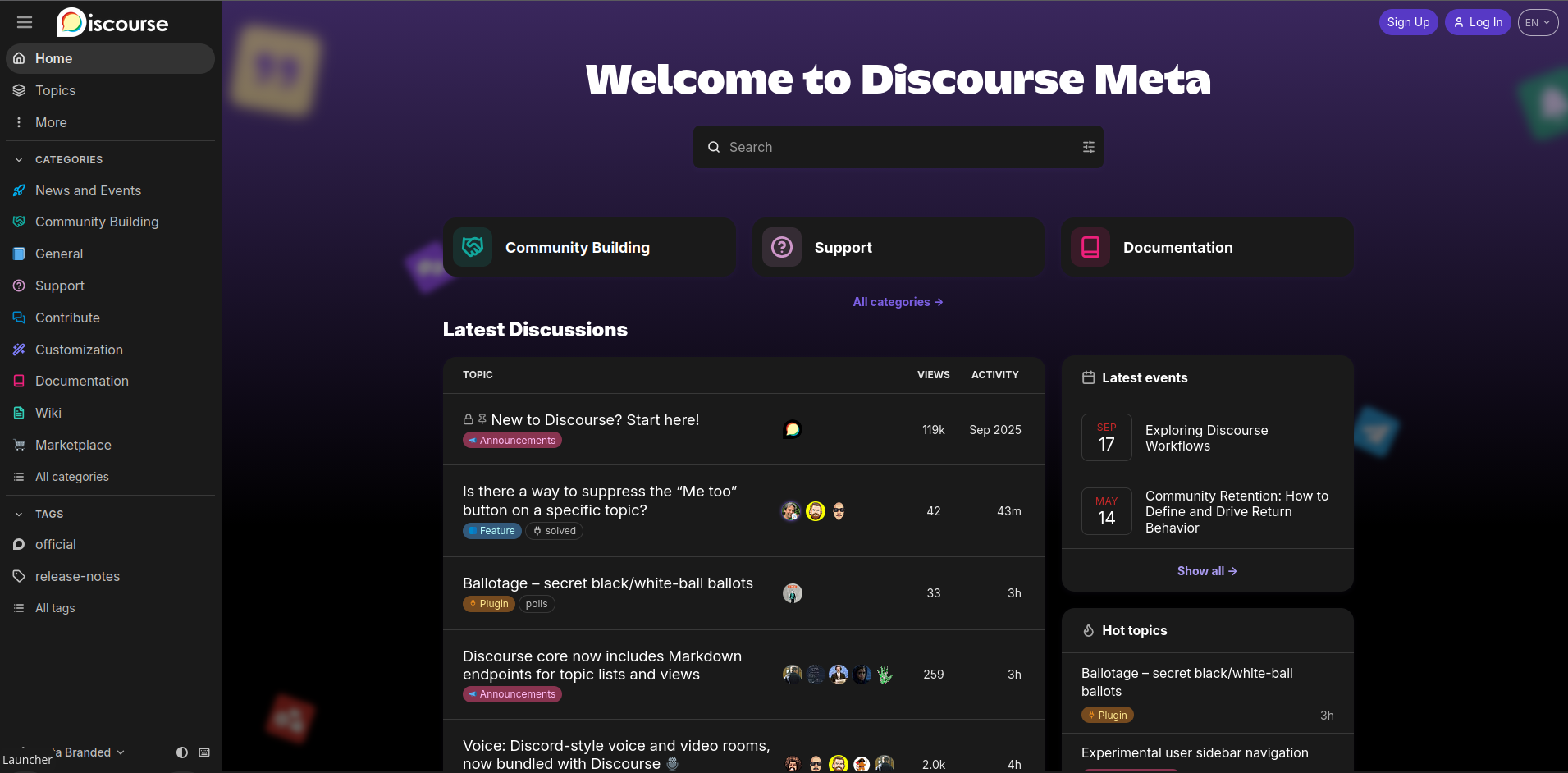
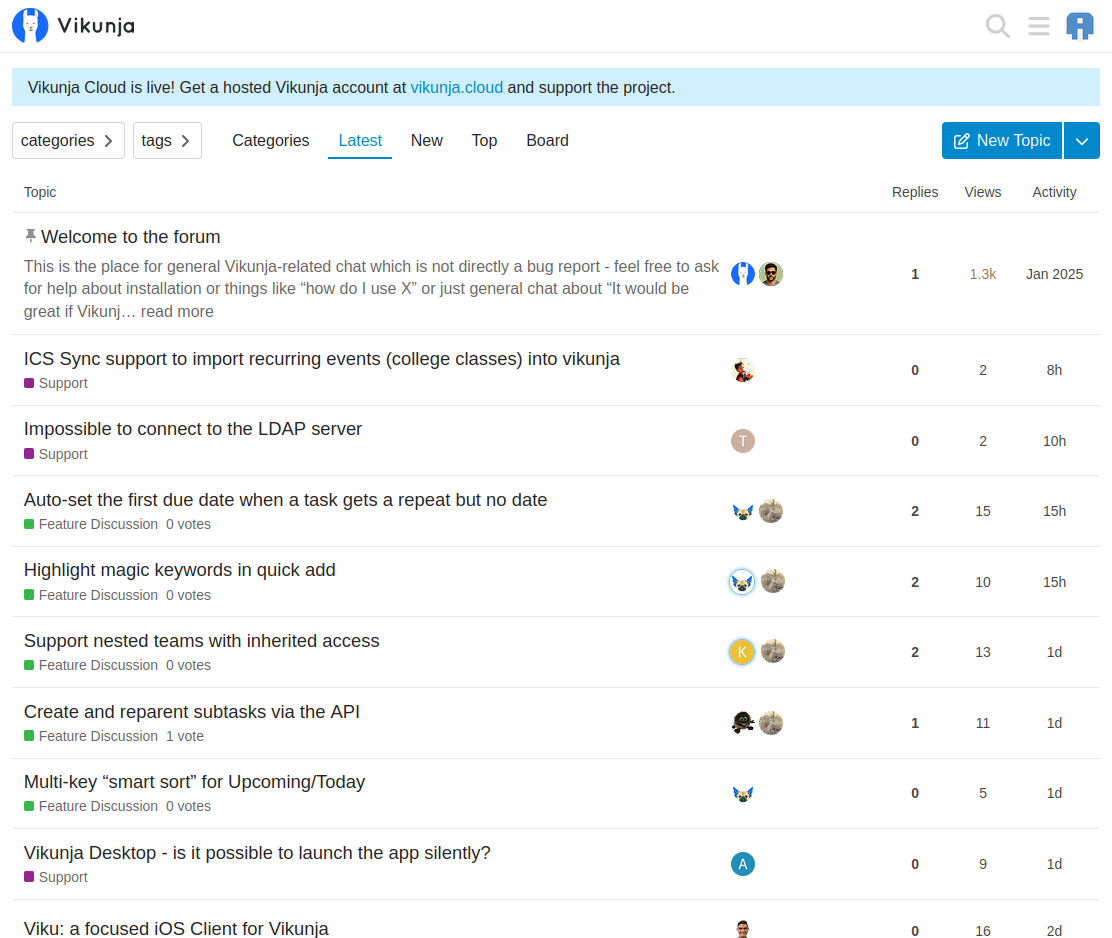
Castopod is another example in that it allows you to customize the content of a podcast hosted within the platform, but the administrative platform itself is not documented for customization. So, inevitably the user finds themself being a direct promoter for the Castopod platform at many levels. Customization is possible, but only through extensive legwork, which confuses listeners interacting with the website.
Developer perspective
If a developer is already offering you their creation at no cost, how much further autonomy is actually necessary towards the end user? Is questioning the need for branding an inappropriate conversation, especially in relation to something you can use without paying or contributing? If someone needs such support, they should be willing to understand the project at a very technical level.
Is this sort of fork one the developer actually wants to encourage? Is this stalling focus that might otherwise go towards increased contributions toward the core project?
My underlying interest in customization is personal, and personal acceptance is a direct path towards commercial acceptance. If you can show good faith in your users, they will literally see it when they consider contributing and promoting your platform.
In Relation to Monetization & Enterprise Plans
This ties directly into the founder’s recent discussion about launching a “Vikunja Enterprise” add-on to secure long-term sustainability. When planning monetization tiers, the instinct is often to gate visual customization heavily behind commercial licenses. However, there is a fundamental difference between an enterprise demanding a white-label interface for corporate compliance, and an individual self-hoster needing basic visual trust tools for their family or community.
If a project shows good faith to its open-source self-hosters by allowing simple identity flexibility at the baseline tier, those users become the champions for your success. They are the ones who ultimately carry the software into their workplaces and drive the exact commercial acceptance necessary to fund enterprise features like audit logs or granular permissions.
Self-hoster perspective
Why is my tasks webpage called Vikunja? I cannot even spell that word and I just want people to know we’re using this for the purpose of tasks… or planning… or, even just family deadlines. It isn’t the end of the world, but I’d love to make it more obvious for less technical types who find this too confusing and want to stick to our old email thread and text messages…. some of my family don’t trust this cartoon logo and refuse to even open the emails.
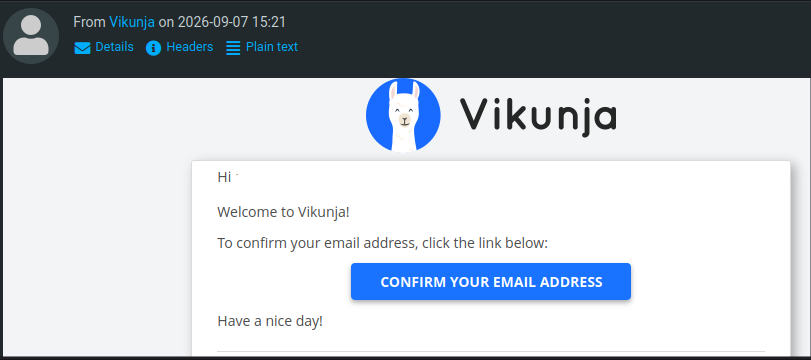
This is the real email received by my family members when helping them create an account. Everyone thought it was spam.
Is basic branding customization (name, logo, colors, title, email wording) actually an unreasonable ask from self-hosters in relation to FOSS projects? Would it further both the concept of data ownership and encourage adoption through greater trust in those using it?
When we look at what actually drives this trust, it usually boils down to a small, critical set of identity elements. Having control over the application name, icon, favicon, email header/subject/wording, and basic theme coloring isn’t about erasing a developer’s hard work. It is about establishing basic context and visual safety for the people using it.
The core identity of 5 elements, which cover 99% of what I’m discussing:
- Application name, allowing something other than Vikunja
- Icon (supported already) and Favicon
- Login Screen & background
- Email author name, subject matter and contents
- Theme color
Here is another visual example between the Vikunja forum and login and default Discourse, seen when logging in.

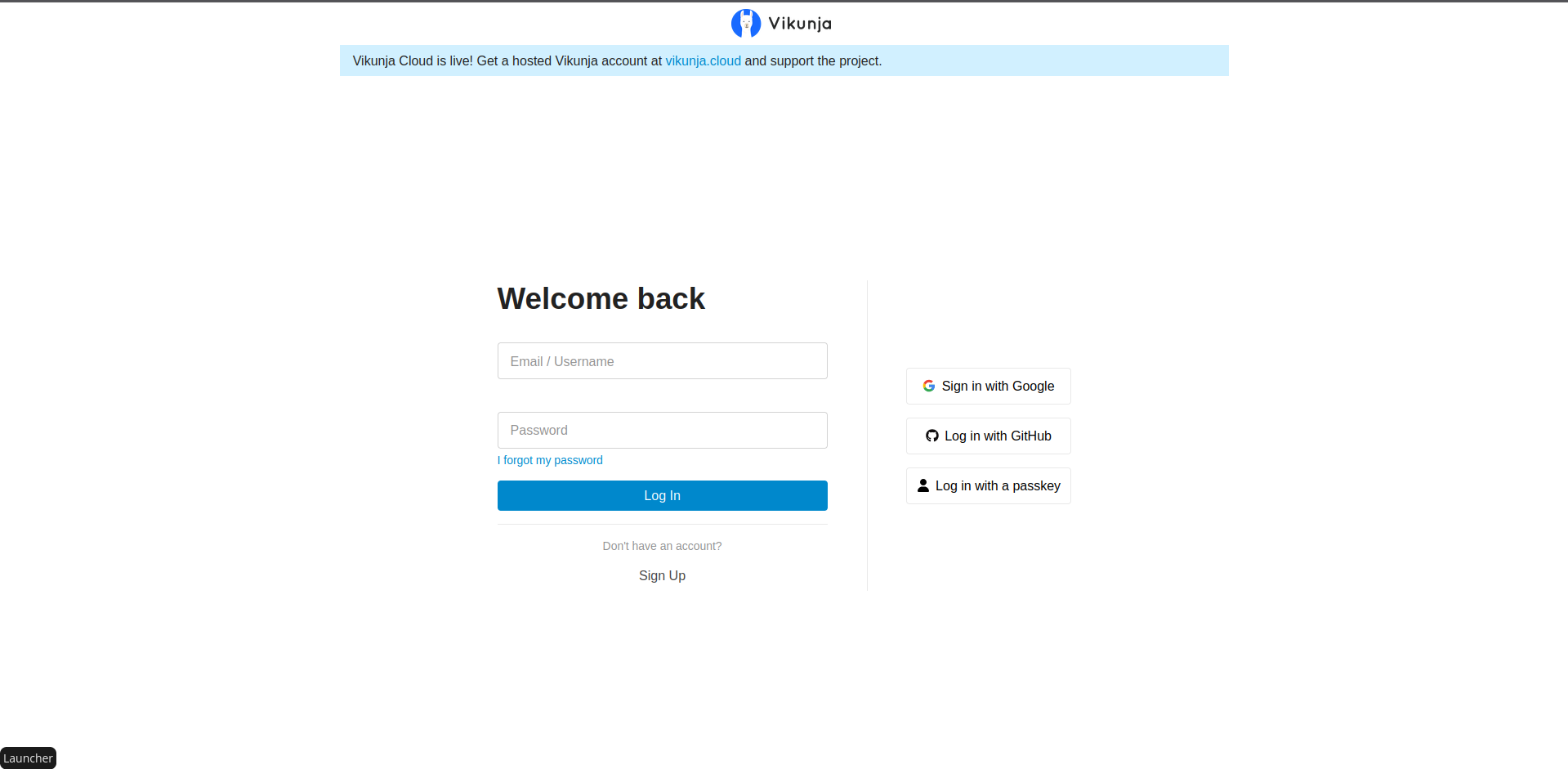
Having control over a self-hosted application’s name isn’t about erasing the developer’s hard work. It is about establishing basic context and trust so my family will actually use it.
Discretion
There is a lack of discretion between expectations and understanding, especially when dealing with individuals as opposed to organizations or companies. The intention is to expose a gap between licensing as legal requirements, vs expectations from the user expecting degrees of control over the actual tools they choose to use.
Without expecting any change, there does exist an interesting separation in distributing some FOSS projects while also treating them as a product that users should fundamentally promote, even when self-hosting for the purpose of ownership, by explicitly treating the lack of customization as a feature only accessible to those willing to fully fork and maintain technical debt… which does not account for those individuals expecting such control as part of basic ownership. Such individuals are actually those people with the ability to run the software, but often without the technical ability to maintain a full fork. It isn’t meant as a slight or a demand to developers or enthusiasts, but does give friction to the concept of the very ownership that drives greater adoption to self-hosted platforms.
Thank you so much for reading!